





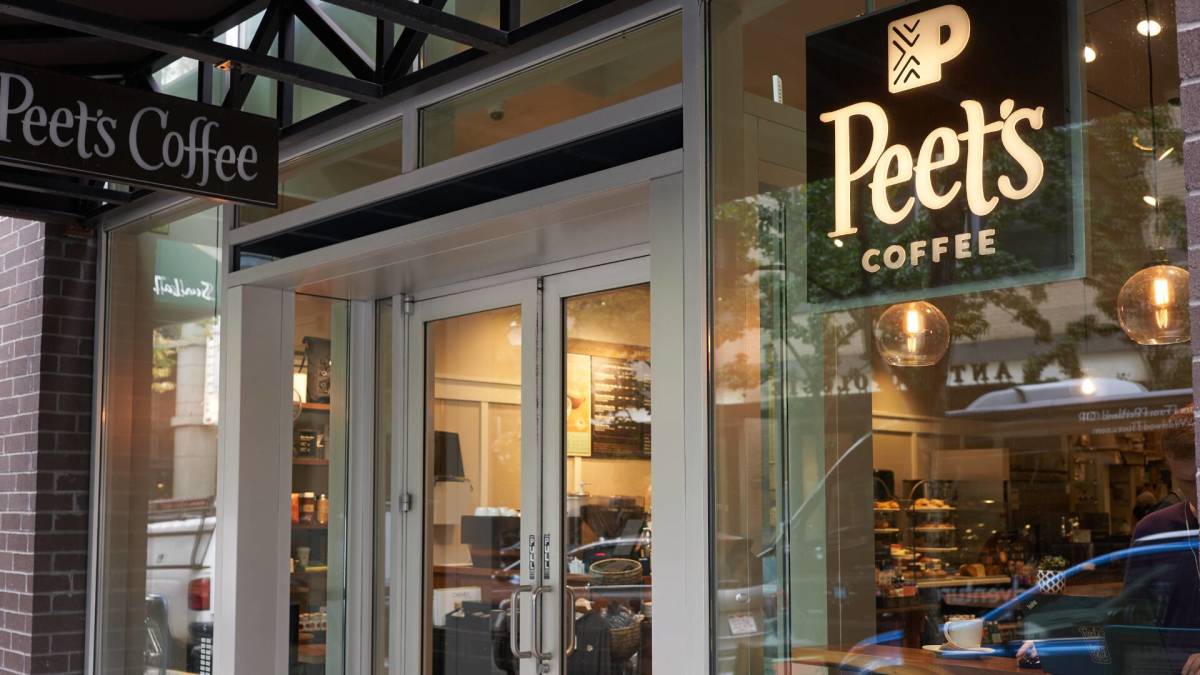

When we hear the news of a fast-food or coffee chain closing, most of us usually think about the consequences for us as consumers. Where am I going to get my favorite coffee now, or where will I go to lunch?
The reality, however, is that large-scale closures have even more dire consequences for workers than consumers. The employer also has several legal obligations, such as notification and final compensation.
Under the federal Worker Adjustment and Retraining Notification Act (WARN Act), employers with 100+ employees must provide 60 days’ written notice before a planned closing or mass layoff.
What about severance pay? Under the Fair Labor Standards Act (FLSA), there is no requirement for severance pay. That payment is just a matter of agreement between an employer and employee, according to the United States Department of Labor.
Things are somewhat different when the closure concerns union workers. Under the National Labor Relations Act (NLRA), even if an employer has the right to close a business for economic reasons, it is legally obligated to bargain with the union over the effect of that closure. This may include offering severance pay, extended health insurance, and preferential hiring at a new job, according to the National Labor Relations Board.
“Failing to bargain about the effects of a decision to close one of the employer’s plants” is listed as a specific example of a violation of Section 8(a)(5) of the National Labor Relations Act.
One popular specialty coffee chain has recently confirmed several closures, and now its workers are raising some issues.
Peet’s Coffee chain suddenly shuttering nearly 30 locations
I recently wrote about beloved 60-year-old specialty coffee chain Peet’s Coffee confirming the closure of several locations in January. The news came quickly after a proposed $18 billion takeover of its parent company, JDE Peet’s, by Keurig Dr Pepper.
“These closures reflect a broader effort to align our business with long-term growth priorities and current market conditions. We are deeply grateful to our incredible employees and loyal customers for their continued commitment to the brand,” Stephanie O’Brien, a spokesperson for Peet’s, told SFGATE.
As of January 2026, Peet’s Coffee has permanently closed three locations in San Francisco and one in Evanston, Illinois. These specific closures affected the Castro, Cole Valley, and Polk Gulch neighborhoods in California, as well as the Chicago Avenue site in Illinois.
These recent shutdowns highlight a significant transformation in Peet’s strategy, following a year-over-year store count decline of 1.2% to 255 units by the close of 2024. This downward trend is a stark contrast to the brand’s pre-pandemic footprint, which, according to data from Nation’s Restaurant News, consisted of nearly 400 locations at the end of 2019.
Consumers behavior shifts to home brewing, directly impacting coffee places
Keurig Dr Pepper previously said it plans to create two separate, independent U.S.-listed companies, Beverages Co. and Global Coffee Co. However, the acquisition is still pending. It is expected that the deal will close early in the second quarter of 2026, subject to the satisfaction or waiver of the closing conditions.
The closures, though, reflect the impact of a changing consumer behavior.
More Closings
- 127-year-old restaurant that invented legendary cocktail close
- Controversial clothing store closes after 132-years
- 91-years-old historic bar is closing permanently
Despite high demand, specialty coffee chains like the historically significant Peet’s are struggling with rising costs and a massive shift toward home brewing, which now dominates more than 87% of the market, according to the latest Mordor Intelligence and National Coffee Association (NCA) data for 2025-2026.
This surge in retail and online sales is driving a wave of bankruptcies and closures as traditional stores find it increasingly difficult to compete with the growing home-brew trend.
Peet’s Coffee workers raise concerns about closures
The Peet’s Coffee spokesperson didn’t confirm how many stores will be closed eventually, but unionized workers said in a social media post that the chain plans to close 27 of its 283 locations, reported Edhat.
“As they close one of our shops, we call on Peet’s to bargain with us in good faith over our severance packages! We would love to see you on Friday in support of the workers,” peetslaborunion wrote.
The union further accused Peet’s management of bypassing the union, arguing that “instead of meeting their legal obligation to bargain over the impacts of this closure,” the leadership just informed workers of severance packages without any input from the union.
In another post on Instagram on January 30, the union called for help.
“Peet’s Coffee is attempting to cancel our scheduled bargaining session today (1/30) with short notice. We ask that you call Peet’s and demand that they meet with the union,” reads the post.
The union asked for help, saying that workers have fewer than five days of employment at the closing Telegraph & Dwight location, and that employees have yet to reach an agreement over the impact of the store closure.
A union spokesperson told KTLA5 that close to 400 employees are expected to be affected by the closures.
Peet’s Coffee timeline
- 1930s, foundations in the Netherlands: Alfred Peet masters the craft of roasting and grinding coffee while employed at his father’s company.
- 1950s, global expertise and a move to America. After working in Indonesia’s tea industry, Peet moves to the U.S., where he finds coffee quality to be low.
- 1966, the Berkeley debut. The inaugural Peet’s Coffee shop opens in Berkeley, California, specializing in high-quality, dark-roasted beans.
- 1967, advocating for quality: Peet begins teaching his customers the importance of proper roasting techniques and the value of buying coffee near its roast date.
- 1969, arrival of a classic: The iconic Major Dickason’s Blend is first introduced to the public.
- 1971, mentoring the Starbucks creators: Alfred Peet provides essential training to the three individuals who would eventually establish Starbucks.
- 2000, nationwide availability: Peet’s products reach grocery store shelves in every state across the U.S.
- 2014, diversifying with high-end tea: The company grows its portfolio by purchasing Mighty Leaf Tea.
- 2015, strengthening the specialty coffee market: Both Intelligentsia Coffee and Stumptown Coffee Roasters are brought under the Peet’s umbrella.
- 2023, launching The Bright Collection: Peet’s debuts a series of coffees designed to showcase more vibrant, lighter roast characteristics.
- 2024, innovating for the home barista: The brand releases Ultra Coffee Concentrate, a product designed to simplify making professional-grade coffee at home.
Source: Peet’s official website