




With oil prices surging past $100 per barrel and the Strait of Hormuz effectively closed, the Trump administration reached for an unusual lever. It decided to use Iran’s own oil against it.
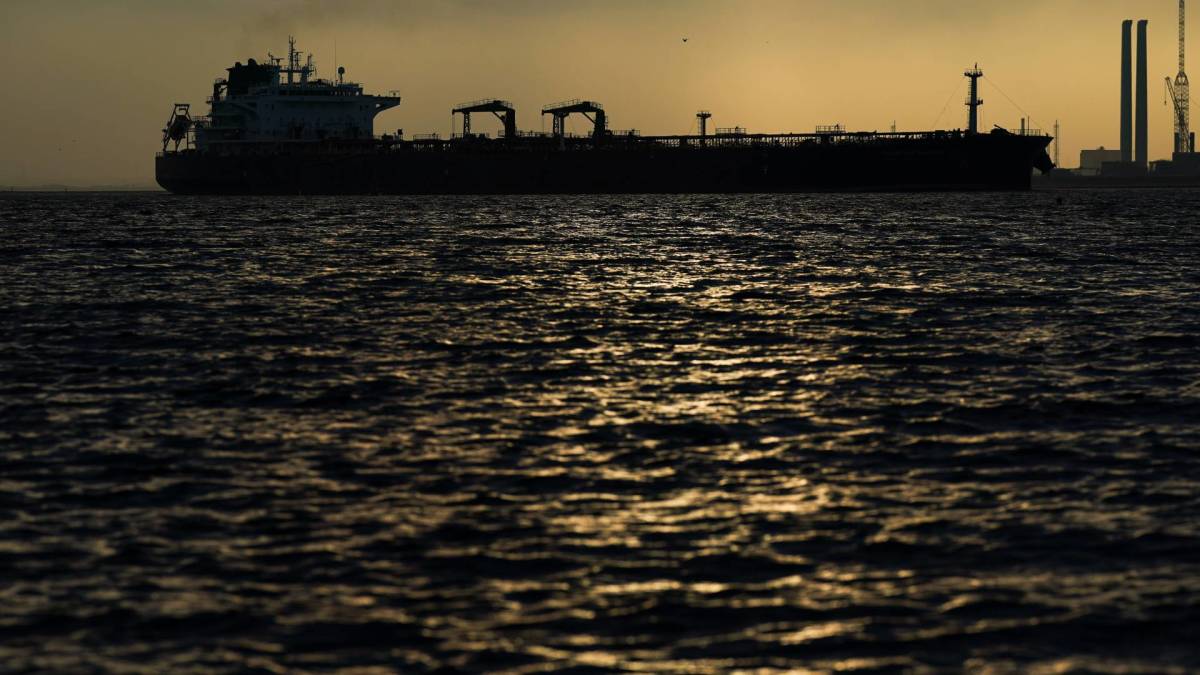
Treasury Secretary Scott Bessent told Fox Business Network’s “Mornings with Maria” that the U.S. was preparing to lift sanctions on approximately 140 million barrels of Iranian crude already sitting on tankers at sea.
The move, he said, was designed to add supply to global oil markets and cap prices as U.S. and Israeli military operations against Iran continued.
“In the coming days, we may unsanction the Iranian oil that’s on the water. It’s about 140 million barrels,” Bessent said. “In essence, we will be using the Iranian barrels against the Iranians to keep the price down for the next 10 or 14 days as we continue this campaign. So we have lots of levers.”
What Bessent actually announced
The 140 million barrels represent Iranian crude that had been stranded or flowing at steep discounts, primarily to China, under existing sanctions.
Temporarily lifting those restrictions would allow the oil to reach global markets at full price, diverting it away from China and toward U.S. allies including Japan, South Korea, Malaysia, Singapore, and India, according to The Hill.
Related: Longtime oil analyst sends dire oil price message
“When we go through, as we plan, to unsanction the Iranian oil, that oil will go up to a market price and it will end up in places other than China,” Bessent said. “It can flow into Malaysia, Singapore, Indonesia, Japan, India, who have been good actors in this,”.
The administration followed through. The Treasury lifted the sanctions on March 20, issuing a statement that the move would free up 140 million barrels “to relieve the temporary pressures on supply caused by Iran,” reported The Hill. Bessent specified the authorization was “strictly limited to oil that is already in transit and does not allow new purchases or production.”
There’s a broader oil problem
The Iranian unsanctioning was part of a larger coordinated effort to keep oil prices from spiraling further.
The administration had already taken a similar step with Russian oil the previous week, temporarily lifting sanctions on approximately 130 million barrels of Russian crude already on the water, per Fox Business. That gave markets around 130 million additional barrels before the Iranian move added another 140 million.
More Oil and Gas:
- The world’s biggest gas field matters just as much as oil right now
- Goldman Sachs reveals top oil stocks to buy for 2026
- U.S. economy will show resilience, despite rising oil prices
Bessent also pointed to a 400 million barrel coordinated Strategic Petroleum Reserve release that had been approved the previous week, calling it “the largest coordinated SPR release in history.” He said the U.S. could act again unilaterally if prices required further intervention.
One thing Bessent ruled out explicitly was any intervention in oil futures markets.
“We’re absolutely not doing that,” he said when asked about the possibility. “We’re not intervening in the financial markets. We are supplying the physical markets.”
Key elements of the administration’s oil supply response:
- 140 million barrels of Iranian crude in floating storage temporarily unsanctioned
- 130 million barrels of Russian crude in floating storage previously unsanctioned
- 400 million barrel coordinated SPR release approved, with a potential additional unilateral U.S. release on the table
- No intervention in oil futures markets, only physical supply measures
- Iranian oil to be redirected from China to U.S. allies in Asia
Forsyth/Getty Images
The geopolitical logic of unsanctioning oil
Bessent framed the unsanctioning as a form of economic pressure on Tehran rather than a concession to it.
Iran would have difficulty accessing the revenue generated, he said, because the U.S. would continue to maintain maximum pressure on Iran’s ability to access the international financial system, per The Hill.
But the move drew immediate criticism.
The Trump administration had spent years building up sanctions on Iranian oil specifically to cut off Tehran’s primary source of income.
As recently as February 2026, weeks before Operation Epic Fury launched, the administration was still adding new sanctions targeting Iran’s shadow oil fleet, according to The Daily Beast.
Democratic Senator Andy Kim of New Jersey, the ranking member on the Senate Subcommittee on National Security and International Trade and Finance, criticized the move, reported The Hill.
Nicholas Mulder, a sanctions expert and professor at Cornell University, offered a pointed assessment. “The U.S. has to dial back sanctions to offset the second order effect of war,” Axios reported. “The administration appears to be conceding something in war that it was unwilling to give in peace.”
The oil market context
The backdrop to Bessent’s announcement was oil prices that had surged roughly 60% above pre-war levels. Brent crude was trading above $100 per barrel for much of the weeks following Iran’s closure of the Strait of Hormuz, which carries approximately 20% of global oil and liquefied natural gas supplies.
Despite the supply response, Brent remained above $109 per barrel as of early April 2026. The EIA forecast that Brent would remain above $95 per barrel over the following two months before falling later in the year, with the trajectory highly dependent on the duration of the conflict and resulting production outages, according to the U.S. Energy Information Administration.
Whether Bessent’s jujitsu with Iran’s oil supply proves enough to stabilize markets depends on how long the Strait of Hormuz remains effectively closed. For now, the administration has made its position clear: it has levers it is willing to use, including ones that would have been unthinkable before the war began.
Related: J.P.Morgan delivers stark warning on where oil prices are headed