





Dollar slumps on policy fears, gold soars above $5,000 amid geopolitics, while central banks pause, markets driven by political volatility.
The Great Greenback Retreat: US Dollar Hits 2026 Lows
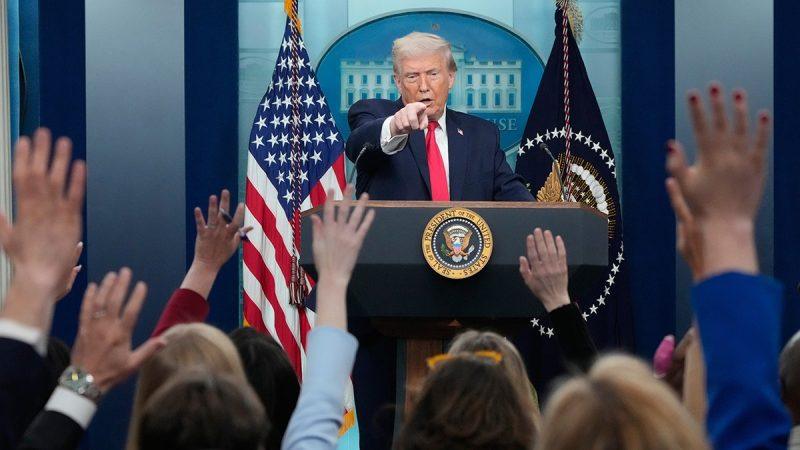
The US Dollar is currently navigating a perfect storm of institutional skepticism and technical weakness, with the DXY tumbling to levels not seen since September 2025. This “collapse” is largely attributed to a sudden shift in currency diplomacy; headlines suggest the New York Fed has been questioning banks about their USD/JPY positions, sparking intense speculation that the US is finally ready to assist Japan in propping up the Yen. This potential for coordinated intervention, combined with mounting unease over President Trump’s trade rhetoric and his upcoming choice for the next Federal Reserve Chair, has led investors to aggressively trim their Dollar exposure. As the Greenback’s role as the undisputed reserve currency faces these new political and fiscal headwinds, the market is pricing in a future where the “mighty Dollar” may have a significantly shorter leash.
Gold’s Historic Ascent Beyond the $5,000 Milestone
In a move that has stunned commodity markets, Gold has officially entered a parabolic phase, smashing through the $5,000 barrier to reach a staggering record high of $5,111 per ounce. This rally is the ultimate expression of a “flight to safety” as geopolitical friction intensifies, particularly regarding the escalating trade disputes between the US, Europe, and Canada over territories like Greenland. Beyond the geopolitical noise, the surge is fundamentally supported by a weak US Dollar and a robust appetite from central banks in emerging markets like China and India, who are diversifying their reserves at a record pace. With Bullion gaining nearly 18% in the first month of 2026 alone, the metal has transcended its status as a mere inflation hedge to become the primary beneficiary of a fractured global order.
A Global Policy Standoff: Central Banks on the Brink
Despite the chaotic price action in currencies and commodities, the world’s most powerful central banks are currently locked in a strategic holding pattern. The Federal Reserve is widely expected to keep interest rates steady at 3.50%-3.75% this Wednesday, but the “pause” is anything but calm. Markets are hyper-fixated on Jerome Powell’s forward guidance and the looming transition of Fed leadership, which has created a sense of policy paralysis. Similarly, the Bank of Canada is expected to hold at 2.25% as it navigates the precarious line between domestic stability and the threat of 100% US tariffs. This collective “wait and see” approach has shifted the market’s focus away from interest rate differentials and toward the raw volatility of political headlines, leaving traders to wonder how long this uneasy equilibrium can last.
Top upcoming economic events:
1. 01/27/2026: ECB’s President Lagarde Speech
As the head of the European Central Bank, Christine Lagarde’s words carry the highest impact for the Euro. Her speech is critical as markets look for clues on whether the ECB will continue its “holding bias” or if rising geopolitical tensions and trade barriers are forcing a shift in policy. Any mention of “asymmetric impacts” on growth across the Eurozone could trigger immediate currency volatility.
2. 01/28/2026: Fed Interest Rate Decision
This is the week’s “anchor” event. Following a series of cuts in late 2025, the Federal Reserve enters 2026 with a divided committee. Markets widely expect a hold at the current 3.5%–3.75% range. Investors will be laser-focused on whether the Fed maintains its “one more cut” projection for the year or if sticky inflation (currently near 2.4%) has pushed further easing off the table.
3. 01/28/2026: FOMC Press Conference
Immediately following the rate decision, Chair Jerome Powell’s press conference is where the real market movement often happens. He will likely address the “K-shaped” economy—where higher-income households remain resilient while others struggle—and provide the Fed’s stance on the new fiscal policies and trade uncertainties taking shape in early 2026.
4. 01/28/2026: BoC Interest Rate Decision
The Bank of Canada is in a delicate position. Most economists expect a hold at 2.25%, but the decision is a toss-up between staying patient and reacting to a cooling labor market. Because the BoC hit its “neutral range” faster than the Fed, this meeting will signal if Canada is ready to diverge from US policy to protect its own domestic growth.
5. 01/28/2026: Consumer Price Index (YoY) – AUD
This is the most significant data point for the Australian Dollar this week. With the RBA keeping a close eye on “trimmed mean” inflation, a high reading here would likely kill any hopes of a February rate cut. It serves as a vital health check on whether Australian consumer prices are finally stabilizing or if service-side inflation remains too hot.
6. 01/26/2026: Durable Goods Orders – USD
This provides a first-hand look at the health of the US manufacturing sector. After a bumpy end to 2025, analysts are looking for a rebound in orders. Because durable goods represent big-ticket items, this data acts as a leading indicator for industrial production and overall capital spending for the first quarter of 2026.
7. 01/27/2026: Consumer Confidence – USD
The US economy remains consumer-led, making this sentiment index a major market mover. If confidence remains high despite elevated interest rates, it gives the Fed more “room to move” (or hold) without fearing an immediate recession. Conversely, a sharp drop would signal that the “lower spur” of the economy is finally reaching a breaking point.
8. 01/27/2026: BoJ Monetary Policy Meeting Minutes
While not a “live” rate decision, these minutes are crucial for understanding the Bank of Japan’s internal debate on exiting its long-standing easy-money era. Traders will scan the text for any hawkish shifts regarding the Corporate Service Price Index or concerns about the Yen’s value relative to a stabilizing US Dollar.
9. 01/29/2026: Initial Jobless Claims – USD
In a week dominated by the Fed, the weekly labor data takes on extra weight. The Fed has explicitly stated that labor market resilience is a key factor in their “wait and see” approach. A significant “miss” in these numbers could shift the narrative from “inflation-fighting” to “recession-preventing” almost overnight.
10. 01/26/2026: IFO – Business Climate – EUR
This is Germany’s most influential business sentiment survey. Given that Germany has struggled with falling exports and industrial weakness, the IFO index will reveal if the “locomotive of Europe” is starting to see a cyclical upswing in 2026 or if it remains the primary drag on the Eurozone’s recovery.
The subject matter and the content of this article are solely the views of the author. FinanceFeeds does not bear any legal responsibility for the content of this article and they do not reflect the viewpoint of FinanceFeeds or its editorial staff.
The information does not constitute advice or a recommendation on any course of action and does not take into account your personal circumstances, financial situation, or individual needs. We strongly recommend you seek independent professional advice or conduct your own independent research before acting upon any information contained in this article.