





Warsh nomination signals hawkish Fed, boosting dollar and yields; sticky inflation persists as PPI shocks; gold and silver crash violently.
The “Warsh Effect”: A New Era for the Federal Reserve
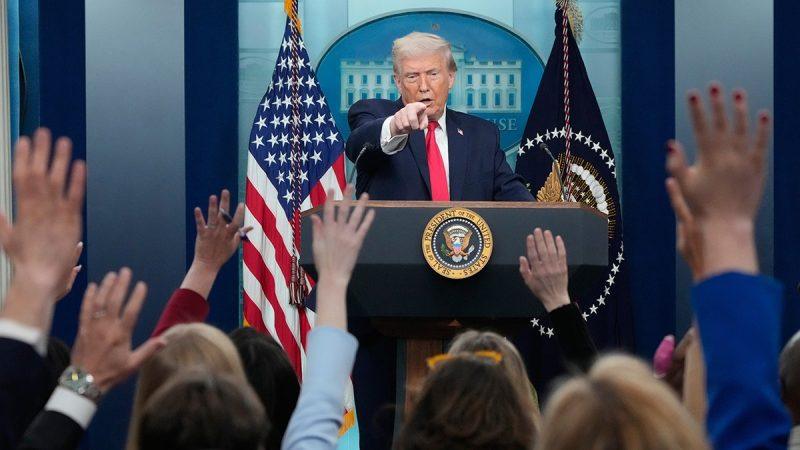
The tectonic plates of global finance shifted abruptly this Friday following President Trump’s announcement of Kevin Warsh as his nominee for Federal Reserve Chair. Traditionally viewed as a monetary policy hawk, Warsh’s selection has injected a dose of institutional sobriety into a market that was previously bracing for a more volatile, politically driven easing cycle. By choosing a figure with deep-seated ties to the Fed’s traditional functions, the administration has effectively signaled a “higher-for-longer” interest rate trajectory. This has re-energized the US Dollar and sent Treasury yields climbing, as speculators recalibrate their expectations away from indiscriminate rate cuts and toward a more disciplined, hawkish central bank leadership.
Inflation’s Stubborn Grip and the PPI Shock
The narrative of a smooth “soft landing” faced a harsh reality check this week with the release of December’s Producer Price Index (PPI). The data revealed that upstream price pressures are far from extinguished, with Core PPI accelerating to a 3.3% annual rate—well above the Fed’s 2% target. This “hot” inflation reading has served as a powerful post-hoc justification for the Federal Reserve’s recent decision to hold rates steady. While internal voices like Governor Christopher Waller point to a softening labor market as a reason to cut, the broader consensus is shifting toward caution. The market is now coming to terms with the fact that tariffs and persistent housing costs may keep inflation “sticky,” forcing the Fed to maintain its restrictive stance well into 2026.
The Great Metals Washout: A Historic Liquidation
In a dramatic reversal of fortune, the precious metals sector underwent a violent “washout” that can only be described as a historic collapse. Silver, the primary victim of this rout, saw a staggering 30% wipeout in a single session, plummeting from triple-digit highs to test the $70.00 milestone. Gold was not spared either, diving 10% to crash through the psychological floor of $5,000. This carnage was fueled by a “perfect storm” of factors: a surging Greenback, rising yields, and the mass liquidation of over-leveraged positions. As bullish momentum evaporated, the technical landscape turned bearish almost instantly, leaving traders to wonder if this is a healthy correction of an overbought market or the beginning of a long-term descent from record peaks.
Top upcoming economic events:
Based on the list provided, here are the 10 most critical economic events for the week of February 1st, 2026. These have been selected to provide a balanced overview of global market movers, covering major central bank decisions and high-impact employment data.
1. 02/01/2026 – OPEC Meeting
This meeting is a pivotal moment for global energy markets. With oil prices having faced significant volatility in 2025, the coalition (including Saudi Arabia and Russia) is meeting to review its decision to pause production increases. Any shift in their “cautious approach” could immediately impact global inflation and the value of the USD, as traders look for signals on whether supply will remain tight or be loosened for the spring.
2. 02/02/2026 – ISM Manufacturing PMI (USA)
As a high-impact indicator for the world’s largest economy, the ISM Manufacturing PMI serves as a health check for the US industrial sector. A reading above 50 indicates expansion, while below 50 signals contraction. This report is particularly vital for the USD as it includes the “New Orders” and “Prices Paid” sub-indices, which act as leading indicators for future economic demand and inflationary pressure.
3. 02/03/2026 – RBA Interest Rate Decision (Australia)
The Reserve Bank of Australia is under the spotlight as inflation remains stubbornly above its 2-3% target. Market expectations are currently leaning toward a possible 0.25% rate hike to 3.85%. This decision and the accompanying Rate Statement will be the primary driver for the AUD, determining if the bank remains in a tightening cycle or pivots to a neutral stance.
4. 02/03/2026 – Unemployment Rate (New Zealand)
This is the most significant data point for the NZD this week. New Zealand’s labor market strength dictates the Reserve Bank of New Zealand’s (RBNZ) future moves. A lower-than-expected unemployment rate would suggest a “tight” labor market, which typically fuels wage growth and inflation, potentially forcing the RBNZ to maintain higher interest rates for longer.
5. 02/04/2026 – Harmonized Index of Consumer Prices (Eurozone)
This is the definitive “flash” inflation reading for the Euro area. Because the ECB meets just one day later, this HICP data will likely cause immediate volatility in the EUR. If inflation prints higher than the 2% target, it may reduce expectations for any upcoming rate cuts, while a cool reading would give the ECB “dovish” ammunition to lower rates.
6. 02/04/2026 – ISM Services PMI (USA)
Given that the US economy is roughly 80% service-based, this report often carries more weight than its manufacturing counterpart. Investors watch the Services PMI to gauge the resilience of consumer spending. A strong number here supports the “higher for longer” interest rate narrative for the Federal Reserve, providing a potential boost to the USD.
7. 02/05/2026 – BoE Interest Rate Decision (UK)
The Bank of England is widely expected to hold its base rate at 3.75% following a cut at the end of last year. However, the importance lies in the MPC Vote Split (often 5-4 recently) and the Monetary Policy Report. Traders will be looking for “forward guidance” on whether the next cut will arrive in March or be delayed due to persistent service-sector inflation.
8. 02/05/2026 – ECB Interest Rate Decision (Eurozone)
Coming on the heels of the BoE, the European Central Bank’s decision is the week’s heavyweight event for the EUR. While a “hold” at 2.15% is the baseline, the Press Conference with President Lagarde is where the real action happens. Her tone regarding the “inflation outlook” will signal whether the Eurozone is ready for further easing or if they remain worried about domestic cost pressures.
9. 02/06/2026 – Nonfarm Payrolls (USA)
The “NFP” report is arguably the most influential monthly data point in global finance. It measures how many jobs were added to the US economy (excluding the farming industry). High job growth often leads to a stronger USD and higher bond yields, as it suggests the economy is robust enough to handle higher interest rates. Conversely, a weak number can spark recession fears and a sell-off in the dollar.
10. 02/06/2026 – Unemployment Rate (Canada)
Rounding out the week, Canada releases its employment change and unemployment data. This is critical for the CAD as the Bank of Canada (BoC) monitors labor slack to decide its next move. A rising unemployment rate would signal that previous rate hikes are finally cooling the economy, potentially leading to a more “dovish” stance from Governor Macklem in his future speeches.
The subject matter and the content of this article are solely the views of the author. FinanceFeeds does not bear any legal responsibility for the content of this article and they do not reflect the viewpoint of FinanceFeeds or its editorial staff.
The information does not constitute advice or a recommendation on any course of action and does not take into account your personal circumstances, financial situation, or individual needs. We strongly recommend you seek independent professional advice or conduct your own independent research before acting upon any information contained in this article.